
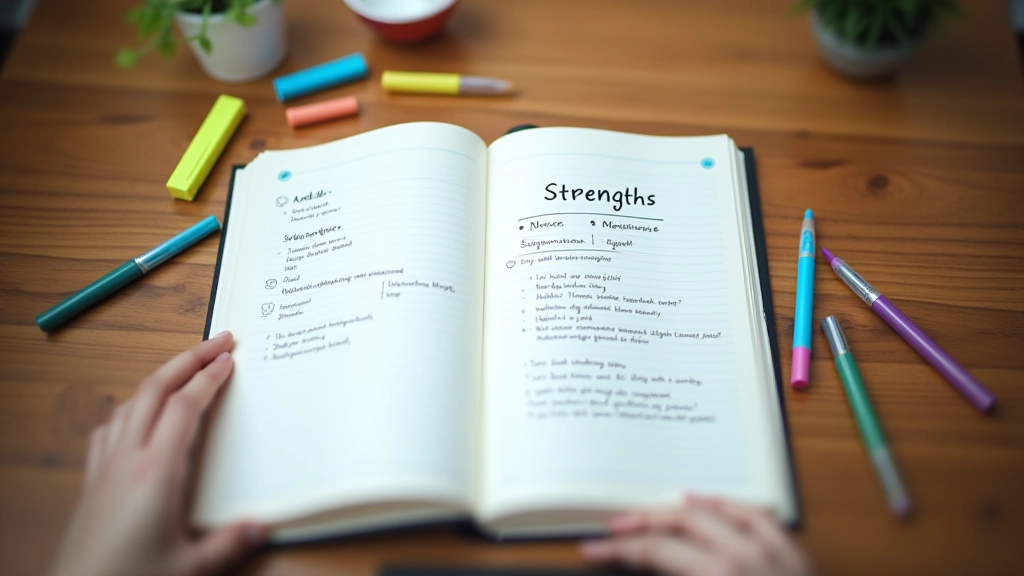
Discovering Your Personal Strengths
Learn the VIA Character Strengths framework and identify your top five signature strengths that drive authentic happiness.
Read MoreEvidence-based approaches to wellbeing, strengths discovery, and sustainable happiness through practical science

Discover evidence-based courses and workshops designed to help you build lasting wellbeing through proven psychological principles
Learn the VIA Character Strengths framework and identify your top five signature strengths that drive authentic happiness.
Read More
Understand Mihaly Csikszentmihalyi’s flow theory and practical techniques to enter deep focus during work, study, or creative pursuits.
Read More
Research-backed methods including gratitude practices, reframing techniques, and resilience building that create lasting optimistic outlook.
Read More
Interactive sessions focused on building community connections, shared growth practices, and collective wellbeing enhancement across Malaysia.
Read MoreThe scientific foundation behind happiness and wellbeing practices
Rather than focusing solely on fixing weaknesses, positive psychology emphasizes identifying and developing your natural strengths. This shift in perspective creates sustainable happiness and better performance across life domains.
Research shows that connecting daily activities to larger life purpose significantly increases wellbeing. This isn’t about grand achievements — it’s about understanding how your actions align with what matters most to you.
Wellbeing doesn’t mean avoiding challenges. It means developing the psychological tools to bounce back from difficulties and see them as opportunities for growth and learning.
Strong social connections are one of the most reliable predictors of happiness. Positive psychology teaches practical ways to deepen relationships and build authentic community in our lives.
“The good life is a process, not a state of being. It is a direction, not a destination.”
For decades, psychology focused almost entirely on mental illness and dysfunction. Positive psychology flipped this script by asking: what helps people thrive? The answer isn’t about removing problems — it’s about building capacities. When you develop your strengths, find meaningful activities, and nurture relationships, happiness becomes a natural outcome rather than something you chase.
In Malaysia, where rapid modernization brings both opportunity and stress, these evidence-based practices offer grounded tools for sustainable wellbeing. You don’t need to overhaul your life or adopt completely new habits. Small, consistent practices rooted in psychological science create measurable improvements in how you feel and function.