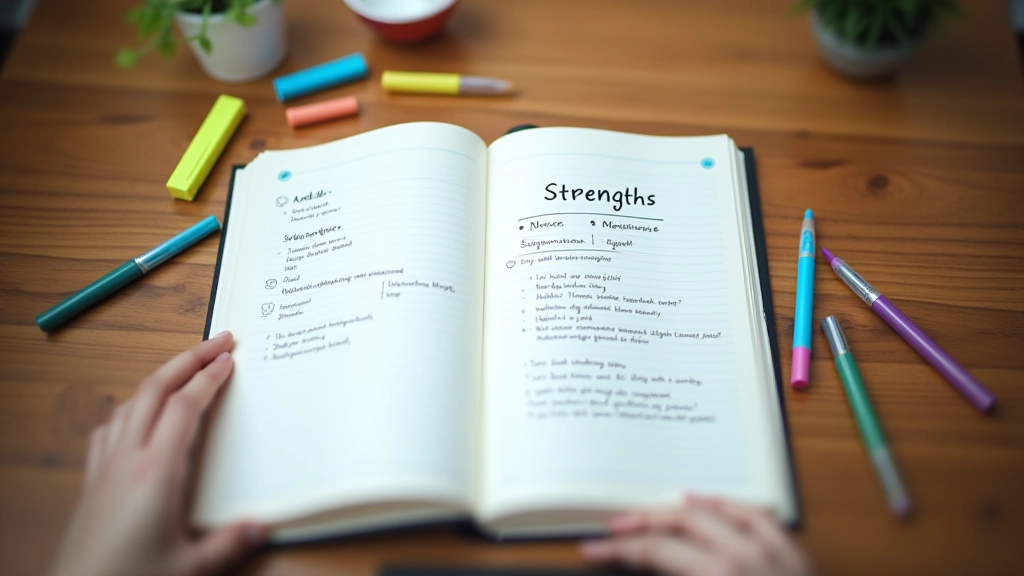
Wellbeing Workshops and Group Learning
Interactive sessions focused on building community connections, shared growth practices, and collective wellbeing enhancement across Malaysia.
Why Group Learning Transforms Wellbeing
There’s something powerful about discovering positive psychology principles alongside others. When you’re in a workshop with people facing similar challenges, it doesn’t feel like self-help anymore—it becomes a shared journey. Group learning creates accountability, community, and the kind of motivation that sticks around long after the session ends.
Our wellbeing workshops in Malaysia aren’t lecture-style classes. We’re talking about interactive experiences where you’ll actually practice gratitude exercises, identify your character strengths together, and understand what flow state feels like in real time. Most participants tell us they didn’t expect the group dynamics to matter this much—but it changes everything.

Workshop Formats That Actually Work
We’ve learned what works through running over 80 workshops since 2018. The sweet spot? Small groups of 12-18 people, 2.5-hour sessions, and a mix of structured activities with genuine conversation time. You’ll work through specific exercises—like the VIA Character Strengths assessment—then discuss what it means for your actual life.
Each workshop has a clear focus. Some concentrate on building optimism through evidence-based reframing techniques. Others dive deep into flow state and how to recognize it in your daily activities. And some bring everything together—strengths, optimism, flow—into one integrated experience. The variety matters. People learn differently, and what clicks for someone in a strengths-focused session might not click for someone else until they’re exploring flow dynamics.
We keep groups intentionally small. It’s not a lecture hall situation. When someone shares a breakthrough moment—like realizing how their signature strength applies to a work problem they’ve been stuck on—everyone benefits from that insight.

What You’ll Experience in a Workshop
Each session combines structured learning, interactive exercises, and genuine peer connection.
Self-Discovery Exercises
You won’t just learn about strengths theory. You’ll complete validated assessments, get concrete results, and understand exactly what your top five character strengths mean in practical terms.
Peer Learning Moments
When others share how they’re applying optimism techniques or recognizing flow states in their lives, you get fresh perspectives you wouldn’t find in a book.
Science-Backed Content
Every technique we teach—gratitude practices, cognitive reframing, flow principles—comes from peer-reviewed research. You’re learning what actually works, not pop psychology.
Actionable Takeaways
You’ll leave with specific practices you can implement immediately—not vague concepts. We’re talking step-by-step reframing exercises, daily strength-spotting habits, flow-finding activities.
Community Connection
You’re not sitting alone with a workbook. You’re with people who want the same thing—to understand themselves better and actually improve their wellbeing.
Multiple Locations
We run workshops in Kuala Lumpur, Penang, and Johor Bahru, plus virtual options for people across Malaysia who prefer online participation.

The Core Practices You’ll Learn
Our workshops build around three interconnected practices from positive psychology research:
Strengths Identification
The VIA Character Strengths framework identifies 24 core strengths present in every human. You’ll discover which five are your signature strengths—the ones that feel authentic and energizing when you use them. Most people never realize how often they’re underutilizing their biggest strengths.
Optimism Through Evidence-Based Reframing
This isn’t toxic positivity. You’ll learn cognitive reframing techniques where you examine challenging situations, identify unhelpful thought patterns, and practice realistic but more helpful interpretations. It’s practical psychology, not forced cheerfulness.
Flow State Recognition and Cultivation
Mihaly Csikszentmihalyi’s flow state—where you’re completely absorbed in an activity—is learnable. You’ll identify what activities put you in flow, understand the conditions that enable it (challenge level matching skill), and practice intentionally creating flow moments in daily life.
What People Actually Report
These aren’t hypothetical benefits—they’re patterns we see consistently across participants.
Report feeling more aware of their character strengths in daily situations within the first two weeks after attending.
Notice themselves catching negative thought spirals and actively reframing them—a skill that builds over time.
Say the group environment made them more likely to actually apply what they learned, compared to learning alone.
“I wasn’t expecting the workshop to feel so practical. We didn’t just talk about strengths theory—we actually did the assessment, got our results, and then spent time figuring out how to use these strengths in real situations. The group discussion made it click in a way reading about it never would have.”
— Priya, workshop participant
How a Typical Workshop Flows
Each 2.5-hour session follows a thoughtful progression from individual discovery to group insight.
Opening & Context Setting (15 min)
We establish what everyone’s hoping to get from the workshop and briefly explain the science behind the practice we’re focusing on that day.
Individual Assessment or Reflection (30 min)
You complete the relevant assessment or guided reflection—VIA strengths inventory, cognitive reframing worksheet, or flow state analysis—and get your personalized results.
Small Group Discussion (30 min)
In groups of 3-4, you share insights and discuss how your results show up in your actual life. This is where the real learning happens.
Whole Group Insights (20 min)
We come together, share themes that emerged, and connect individual discoveries back to the broader science.
Practical Application Planning (20 min)
You identify one specific way you’ll apply what you learned in the coming week, with accountability from the group.
Closing & Resources (5 min)
You leave with resources to deepen your practice and optional ways to stay connected with the group if you want ongoing support.
Why Group Learning Changes Everything
Here’s what we’ve noticed after facilitating hundreds of group sessions: people don’t just learn better together—they actually implement what they learn. When you discover your signature strengths alone, it’s interesting. When you discover them in a group and immediately see how someone else’s strength complements yours? That’s when it becomes real.
Group dynamics create accountability. You’re more likely to practice that reframing technique when you’ve committed to it in front of people. You’re more likely to pursue flow-state activities when you’ve discussed them with others facing the same challenge of finding time and motivation.
And there’s something about hearing someone else’s breakthrough moment. When Arjun suddenly understands how his creativity strength has been hidden in plain sight because he’s been undervaluing creative problem-solving at work, everyone in that room gets access to his insight. We all learn faster when we’re learning together.
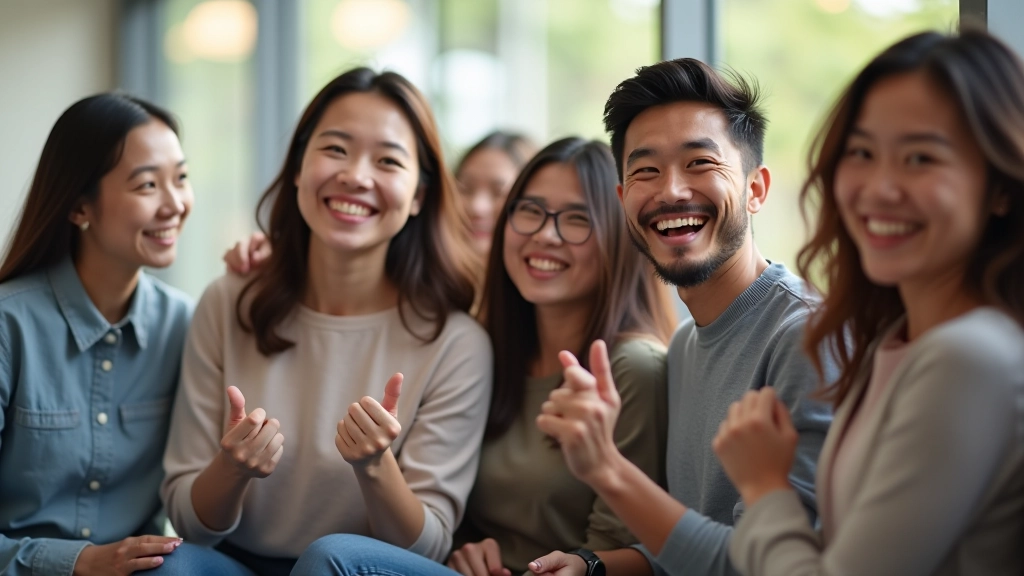
Ready to Experience a Wellbeing Workshop?
Group learning in positive psychology isn’t a luxury or a nice-to-have. It’s how people actually change their relationship with their strengths, build sustainable optimism, and start recognizing and cultivating flow in their daily lives. The community aspect isn’t separate from the learning—it’s central to it.
Whether you’re curious about discovering your character strengths, want to develop genuine optimism through evidence-based practices, or’re interested in understanding flow state better, there’s a workshop designed for where you are right now. And you won’t be figuring it out alone—you’ll be doing it alongside others who get why this matters.
Educational Disclaimer
The information presented in this article and in our wellbeing workshops is educational in nature and draws from established positive psychology research, including the VIA Character Strengths framework and Mihaly Csikszentmihalyi’s flow theory. While the practices we teach are grounded in peer-reviewed research and can contribute to improved wellbeing, they’re not substitutes for professional mental health treatment. If you’re experiencing significant mental health challenges, depression, anxiety, or other psychological concerns, please consult with a qualified mental health professional. Our workshops are designed to complement, not replace, professional care. Individual results vary, and what works for one person may require adaptation for another. We encourage participants to approach these practices with openness while also listening to their own needs and seeking professional guidance when appropriate.